
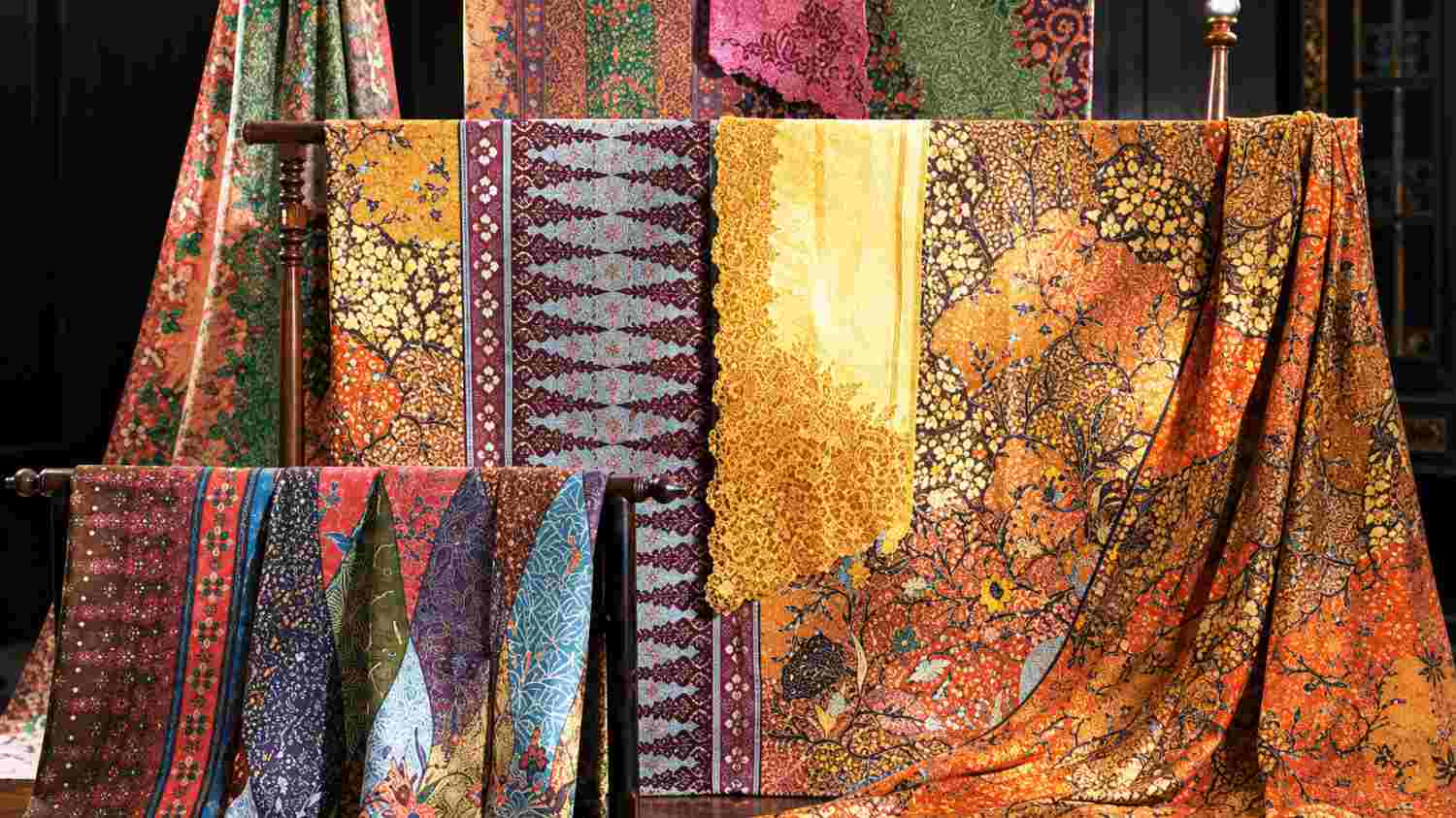
Travelers who want to understand Indonesian culture can learn batik in Yogyakarta through a hands-on workshop. Instead of only seeing finished fabrics in stores, you can discover how traditional patterns are created and practice basic techniques yourself. This makes batik a cultural experience rather than simply a souvenir.
Yogyakarta is closely connected with Javanese traditions, making it an interesting destination for travelers who want to explore Indonesian textile heritage. A batik activity can also fit easily into a cultural itinerary around the city.
Why Learn Batik in Yogyakarta?
Batik is more than decorative fabric. It reflects creativity, traditional knowledge, and cultural identity. Learning the basic process can help visitors appreciate the time and skill required to produce handmade batik.
A workshop also gives travelers an opportunity to interact with local instructors. You can ask questions, observe demonstrations, and practice techniques under guidance. As a result, the experience can feel more personal than simply visiting a souvenir shop.
For first-time visitors, a short workshop can provide an introduction without requiring extensive artistic experience.
Understand the Batik Making Process
When you learn batik in Yogyakarta, one of the first things you may discover is how wax becomes part of the design process. Traditional batik uses wax as a resist, protecting selected areas of fabric during dyeing.
The canting is another important element. This small tool allows artisans to apply liquid wax along specific lines and patterns. Using it requires control and patience, especially when creating detailed motifs.
A typical beginner activity may involve preparing a simple design, applying wax, adding color, and removing the wax after the coloring process. The exact steps can vary depending on the workshop.
Travelers who want to understand the activity in greater detail can also read this Batik Workshop Yogyakarta complete guide before choosing a workshop.
Create Your Own Batik Design
One of the most rewarding aspects of learning batik is creating something with your own hands. You may start with a prepared pattern or create a simple design based on your preferences.
The instructor can explain how to transfer the pattern onto fabric before you begin applying wax. Although the process may seem simple, careful application is important because mistakes can affect the final design.
Your finished fabric can become a personal travel souvenir. It may not have the precision of professional artisan work, but it represents your participation in a traditional creative process.
A Fun Activity for Travelers
Learning batik can suit different types of travelers. Couples can enjoy it as a shared creative experience, while families can introduce children to Indonesian traditions through practical activities.
Solo travelers can also benefit from the social side of a workshop. Meeting instructors and fellow participants can make the activity more engaging.
You can also combine a batik session with visits to cultural attractions, traditional markets, museums, or historic areas in Yogyakarta.
Tips Before Learning Batik
Wear comfortable clothes that you do not mind getting stained. Wax and dyes are part of the process, so practical clothing is preferable.
Before booking, check the class duration, included materials, and activities. Short sessions can introduce basic techniques, while longer workshops may provide more opportunities to explore the creative process.
If you are planning a broader cultural trip, Borobudur Tours can also be considered when organizing experiences around Yogyakarta and Central Java.
Make Batik Part of Your Yogyakarta Trip
Choosing to learn batik in Yogyakarta allows you to experience local culture through direct participation. You can understand basic techniques, discover the creative process, and create a personal reminder of your journey.
For travelers seeking an activity beyond sightseeing, a batik workshop can add a creative and educational element to a Yogyakarta itinerary.
