
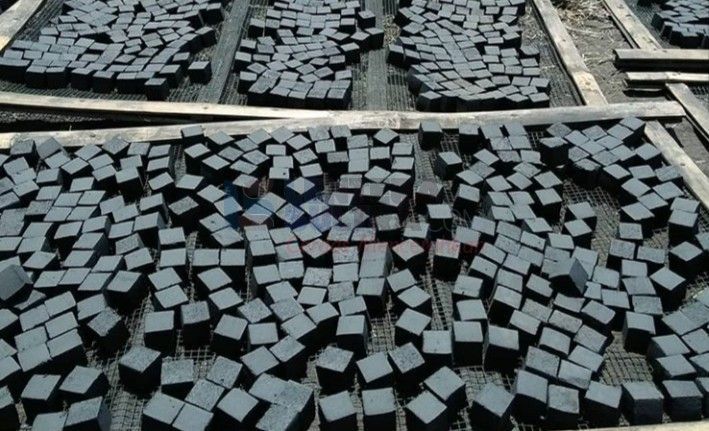
The cost coconut shell charcoal briquette is an important consideration for both producers and consumers of sustainable fuel. Derived from coconut shells, this product transforms agricultural waste into a reliable and eco-friendly energy source. Its cost is influenced by raw material availability, production methods, and market dynamics.
A coconut shell charcoal briquette offers not only environmental benefits but also energy efficiency and consistent performance for both household and industrial uses. Understanding pricing factors and potential returns is essential for businesses considering entering this market.
Factors Influencing the Cost of Coconut Briquette
Several factors influence the price of coconut shell charcoal briquette, including the availability of raw materials, production methods, and logistics management.
Raw Material Supply
-
Availability of coconut shells in tropical regions directly affects material costs
-
Transportation and collection expenses can increase overall production costs
High-quality shells reduce processing issues and improve final product consistency.
Production and Labor Costs
-
Carbonization of shells requires energy and specialized equipment
-
Manual or semi-automated briquette formation adds labor expenses
Efficient production methods help lower the per-unit cost of coconut shell charcoal briquette while ensuring consistent quality and performance.
Physical Properties Impacting Cost
The physical properties of coconut charcoal, including density, durability, and moisture content, directly influence the cost and usability of coconut shell charcoal briquette in both household and industrial markets.
Density and Durability
-
Dense briquettes burn longer, providing more energy per unit
-
Strong briquettes resist breakage during storage and handling
High durability supports premium pricing and better customer satisfaction.
Moisture Content and Ignition Quality
-
Low moisture ensures faster ignition and cleaner combustion
-
Consistent quality reduces waste and returns
Market Prices and Pricing Trends
The cost coconut shell charcoal briquette varies depending on location, production scale, and quality.
Typical Price Range
-
Retail prices typically range from $0.50 to $1.50 per kg
-
Bulk orders for industrial users may reduce prices to $0.30 to $0.80 per kg
Prices fluctuate based on supply availability, production efficiency, and market demand.
Regional and Export Considerations
-
Tropical countries with abundant coconuts often have lower raw material costs
-
Export opportunities can command higher prices due to quality and sustainability branding
Websites like jacoid.com provide industry insights, market analysis, and export potential for coconut shell charcoal briquette producers.
Applications of Coconut Shell Charcoal Briquette
In households, coconut shell charcoal briquette serves as a cooking fuel that produces minimal smoke and stable heat. Industrially, it is applied in boilers, furnaces, and kilns where steady energy output is required. Its predictable performance, coupled with renewable sourcing, makes it a practical and environmentally responsible choice for energy systems.
Household Use
-
Fuel for cooking stoves
-
Heating applications for small-scale use
Industrial and Commercial Use
-
Boilers, furnaces, and kilns
-
Food processing, metal work, and ceramics industries
The uniform shape and density of coconut shell charcoal briquette ensure consistent performance and longer burn times.
Strategies to Optimize Costs
Producers aiming to control the cost coconut shell charcoal briquette can focus on:
-
Sourcing coconut shells locally to reduce transport costs
-
Using energy-efficient carbonization methods
-
Ensuring uniform briquette quality to minimize breakage and waste
Effective cost management increases profitability while maintaining product performance.
