
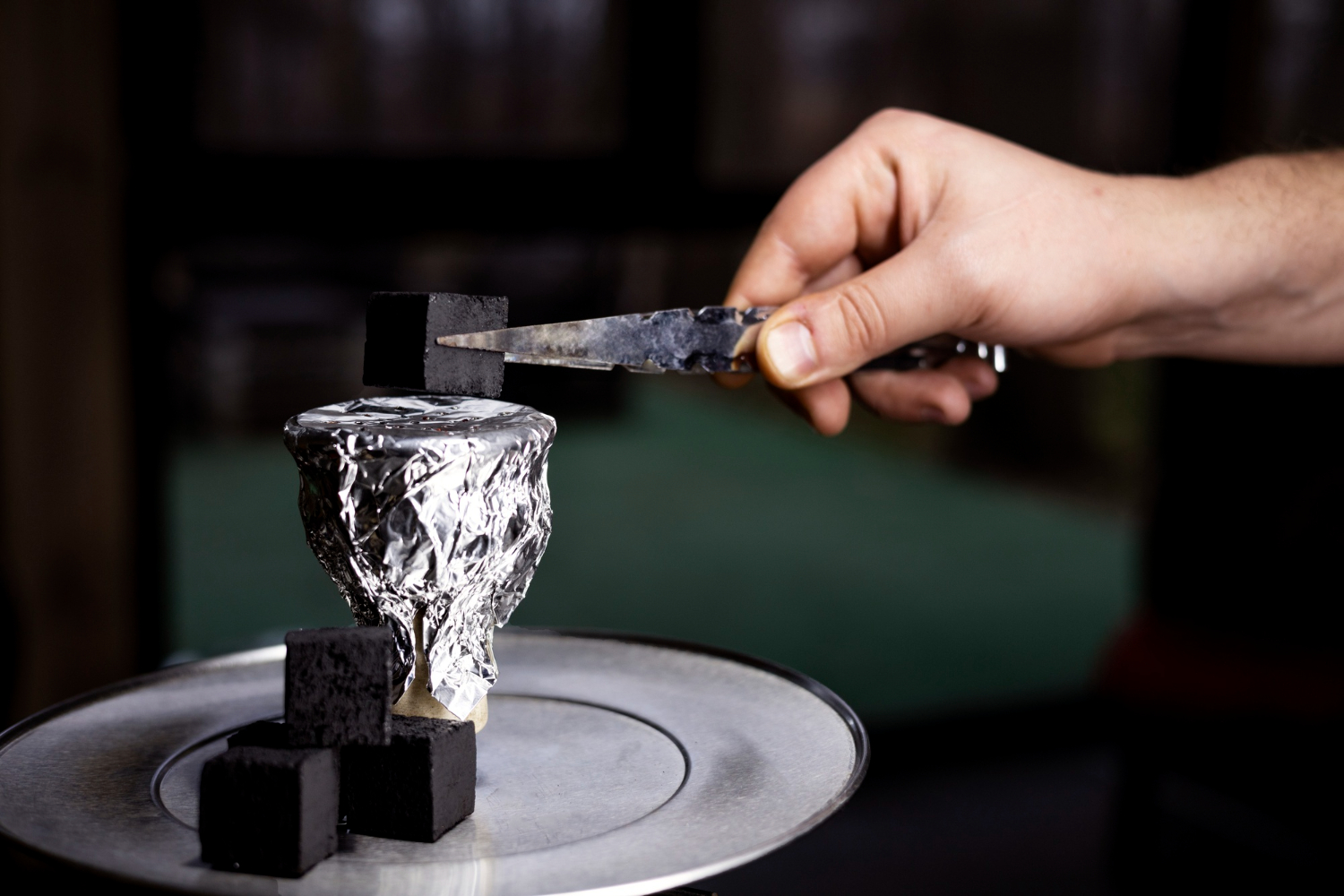
In The Ultimate Guide to Hookah Shisha Charcoal, we explore how hookah, also known as shisha, has grown into a globally enjoyed social experience, combining relaxation with rich flavors. While much attention is given to the tobacco itself, one of the most critical factors influencing the quality of a hookah session is hookah shisha charcoal. The type, quality, and handling of charcoal directly affect flavor, smoke consistency, and safety. This guide will explore everything you need to know about hookah shisha charcoal, helping enthusiasts achieve a smooth and enjoyable session every time.
Types of Hookah Shisha Charcoal
Natural Charcoal
Natural charcoal is usually made from coconut shells or hardwood. It burns slowly, produces minimal ash, and preserves the pure taste of the tobacco. This type of charcoal requires a steady flame to ignite, but it offers a clean, consistent heat that enhances the flavor profile of your shisha.
Briquette Charcoal
Briquette charcoal is made by compressing powdered carbonized organic materials such as coconut shells, sawdust, or wood chips into uniform blocks using natural binders. Briquettes burn evenly and provide predictable heat output, making them ideal for longer sessions or group gatherings. High-quality briquettes should be free of chemical additives to ensure a pure flavor and safe use.
How Hookah Shisha Charcoal Is Made
High-quality hookah shisha charcoal, whether natural or briquette, is produced using a process called pyrolysis. In this process, organic materials are heated in a low-oxygen environment to remove moisture, volatile compounds, and impurities, leaving behind nearly pure carbon.
Natural Charcoal Production
For natural charcoal, coconut shells or hardwood are first cleaned, dried, and then burned at high temperatures in controlled kilns. The resulting pieces are shaped into cubes or discs for uniform heat distribution, providing a smooth and consistent smoking experience.
Briquette Charcoal Production
Briquette charcoal follows a similar initial carbonization process, but the carbonized powder is combined with natural binders, compressed under high pressure, and dried. This produces dense, uniform briquettes that burn steadily and consistently, ensuring predictable heat throughout a session.
Factors to Consider When Choosing Charcoal
Heat Consistency
Denser charcoal pieces produce stable heat for a longer period, ensuring a smooth and enjoyable session without frequent adjustments.
Purity
Impurities or chemical additives can alter the flavor and potentially produce harmful fumes. Always opt for natural or certified high-quality briquettes.
Size and Shape
Uniform pieces promote even burning, helping maintain consistent tobacco flavor and preventing sudden bursts of heat.
Ease of Lighting
Natural charcoal requires more preparation but preserves flavor, while quick-light briquettes ignite faster but may slightly affect taste.
Tips for Safe and Enjoyable Use
- Always handle hot charcoal with tongs.
- Light charcoal on a heat-resistant, safe surface.
- Use natural or high-quality briquette charcoal for the best flavor and safety.
- Ensure proper ventilation when smoking indoors.
Conclusion
Hookah shisha charcoal is more than just a heat source it is a key component in creating a pleasurable and consistent hookah experience. By understanding the types, production methods, and performance factors, enthusiasts can make informed choices for a smooth, flavorful, and safe session. Whether using natural coconut shell pieces or premium briquettes, investing in quality hookah shisha charcoal elevates every puff.
Looking for more expert insights? Click dasetpublishing.com explore our complete guide and refine your hookah experience today.
