
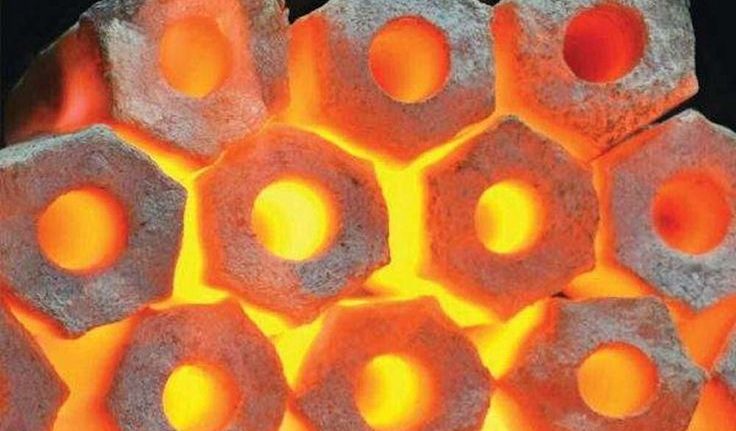
The cost efficiency of coconut charcoal briquettes is a key consideration for manufacturers, retailers, and consumers seeking sustainable and cost-effective fuel alternatives. Produced from coconut shells, these briquettes convert agricultural waste into high-performance energy that is both eco-friendly and economically viable. Understanding cost efficiency helps stakeholders optimize production, pricing, and usage.
A cost coconut shell charcoal briquette delivers long burn times, stable combustion, and minimal ash residue. These characteristics make it a practical fuel for households and industrial operations alike, supporting renewable energy initiatives while controlling expenses.
Factors Influencing Cost Efficiency
Several factors affect the cost efficiency of coconut charcoal briquettes, including material, production, and operational considerations.
Raw Material Availability
-
Coconut shell supply affects input costs significantly
-
Local sourcing reduces transportation expenses and improves profitability
Reliable access to high-quality shells ensures efficient production and lower overall cost per briquette.
Production Process and Labor
-
Carbonization method (traditional vs. modern kiln) impacts energy consumption
-
Labor intensity in briquette molding affects production cost
Optimizing production processes helps improve cost efficiency while maintaining consistent quality.
Physical Properties and Cost Efficiency
The physical properties of coconut charcoal, including density, durability, and moisture content, directly influence the cost efficiency of coconut charcoal briquettes by affecting usability, combustion performance, and overall energy output.
Density and Durability
-
Dense briquettes burn longer, providing more energy per kilogram
-
Strong briquettes reduce breakage and material loss
High-density, durable briquettes lower operational costs and increase user satisfaction.
Moisture Content and Ignition
-
Low moisture facilitates faster ignition and stable burning
-
Consistent physical quality reduces wastage and ensures reliable performance
These properties contribute to the overall economic value of coconut charcoal briquettes.
Market Prices and Cost Trends
The cost coconut shell charcoal briquette varies based on production scale, location, and quality.
Typical Price Ranges
-
Retail: $0.50 – $1.20 per kg
-
Bulk orders: $0.30 – $0.75 per kg
Price fluctuations of cost coconut shell charcoal briquette depend on factors such as the availability of raw materials, efficiency of the production process, and overall market demand, including both domestic consumption and export opportunities.
Regional and Export Considerations
-
Tropical regions with abundant coconuts often have lower production costs
-
Export markets may command higher prices due to sustainability branding
Industry insights can be found on platforms like oneshoppingmall.com, which discuss pricing, product trends, and distribution channels for coconut-based charcoal products.
Applications and Benefits of Cost-Efficient Briquettes
Household Energy Use
-
Cooking stoves and small heating appliances
-
Low-smoke fuel for indoor use
Industrial Applications
-
Boilers, kilns, and furnaces
-
Continuous heat supply for manufacturing and processing
Cost-efficient briquettes ensure longer burn times and reduced fuel consumption, maximizing economic and energy benefits.
Strategies to Improve Cost Efficiency
By carefully evaluating materials, processes, and handling methods, they can reduce costs while maintaining high product quality. Producers can enhance the cost efficiency of coconut charcoal briquettes by:
-
Implementing energy-efficient carbonization techniques
-
Using high-quality local coconut shells to reduce raw material cost
-
Maintaining uniform briquette size and density to minimize breakage
These strategies help balance quality, performance, and profitability by ensuring that coconut charcoal briquettes maintain consistent density, durability, and moisture content, while reducing production waste, optimizing labor and energy use, and meeting market demand efficiently for both domestic and industrial applications.
